
Introduction: The Hidden World Within
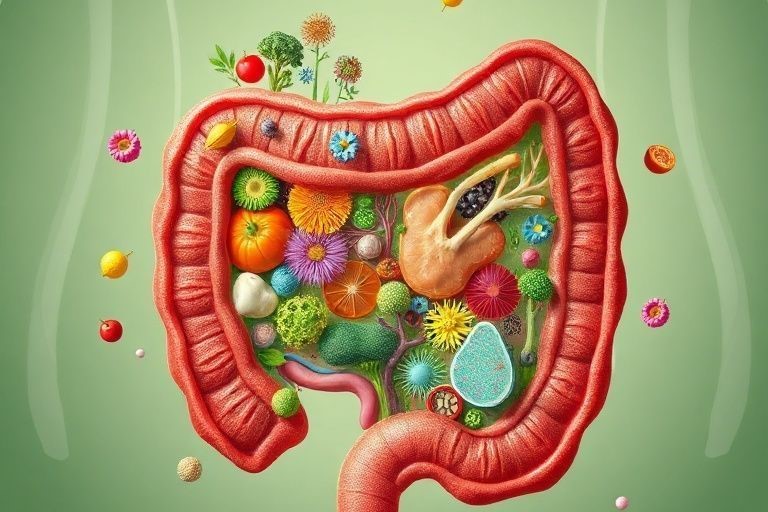
Have you ever felt a “gut feeling” about something? That intuitive sensation is more than just a metaphor—it’s a biological reality. In 2026, the fascination with gut health has exploded beyond probiotic yogurt aisles and into the core of holistic wellness. But why now? After decades of treating our stomachs as mere digestion chambers, science has unveiled a universe within us: the gut microbiome. This complex ecosystem of trillions of bacteria, fungi, and viruses doesn’t just process your lunch; it talks to your brain, trains your immune system, and may hold the keys to everything from your mood to your metabolism.
The trend isn’t just about avoiding bloating anymore. It’s about understanding that the gut is the body’s command center. And as we step into 2026, personalized gut health—powered by new science and technology—is redefining what it means to be truly well.
From Fringe to Front Page: The Evolution of Gut Health
To appreciate where we are, let’s look at how we got here.
The Timeline of a Trend:
- Early 2000s: The era of “active cultures.” Gut health was synonymous with a few branded yogurts. The conversation was simple and commercial.
- 2010s: The probiotic boom. Supplements flooded the market, and terms like “microbiome” entered public lexicon via groundbreaking studies. We learned these bacteria could influence more than digestion.
- Early 2020s: The fiber renaissance. Pioneers like ZOE Project and scientists like Dr. Tim Spector highlighted that prebiotics (food for good bacteria) were just as crucial as probiotics (the bacteria themselves). The focus shifted to dietary diversity.
- 2026: The Era of Personalization. We now understand there’s no one-size-fits-all “healthy gut.” The trend is moving towards at-home testing, AI-driven dietary recommendations, and interventions tailored to your unique microbial fingerprint. It’s not a trend about a single product; it’s about a fundamental shift in self-care philosophy.
Why 2026 Is the Year of the Gut: The Science Gets Personal
Three key pillars are propelling gut health to the top of the wellness agenda this year.
1. The Gut-Brain Axis Goes Mainstream
The two-way communication highway between your gut and your brain, via the vagus nerve and neurotransmitters, is now undeniable. Up to 90% of serotonin, your “feel-good” chemical, is produced in the gut. In 2026, mental wellness protocols actively include gut health strategies. It’s a shift from just therapy and medication to also asking, “What are you feeding your second brain?”
2. Immunity Starts in the Gut
Approximately 70-80% of your immune tissue resides in your gut. The gut-associated lymphoid tissue (GALT) is your body’s frontline defense school. Recent research continues to show how a diverse microbiome trains immune cells to distinguish between friend and foe. In a post-pandemic world, this intrinsic link has made gut health a cornerstone of proactive immunity.
3. Personalization Technology Becomes Accessible
This is the game-changer. For years, advice was generic: “Eat more fiber.” Now, companies offer detailed at-home gut microbiome test kits. You send a sample and get a report on your bacterial diversity, key species, and personalized food recommendations. This data-driven approach removes the guesswork and makes improving your gut health a targeted, personal mission.
The Gut Health Evolution: A Snapshot
| Era | Focus | Key Driver | Perception |
|---|---|---|---|
| 2000s | Digestion | Commercial Yogurt | Simple, Siloed |
| 2010s | Supplementation | Probiotic Pills | Promising, Expanding |
| Early 2020s | Nutrition | Dietary Diversity (Fiber) | Holistic, Food-First |
| 2026 | Personalized Ecosystem | AI & At-Home Testing | Fundamental, Data-Driven |
How to Start Your Gut Health Journey in 2026: A Modern Guide
Forget restrictive diets and expensive “must-have” elixirs. Building a resilient gut is about consistent, smart habits. Here’s your actionable plan, updated for today’s knowledge.
Step 1: Prioritize Fiber Diversity, Not Just Quantity
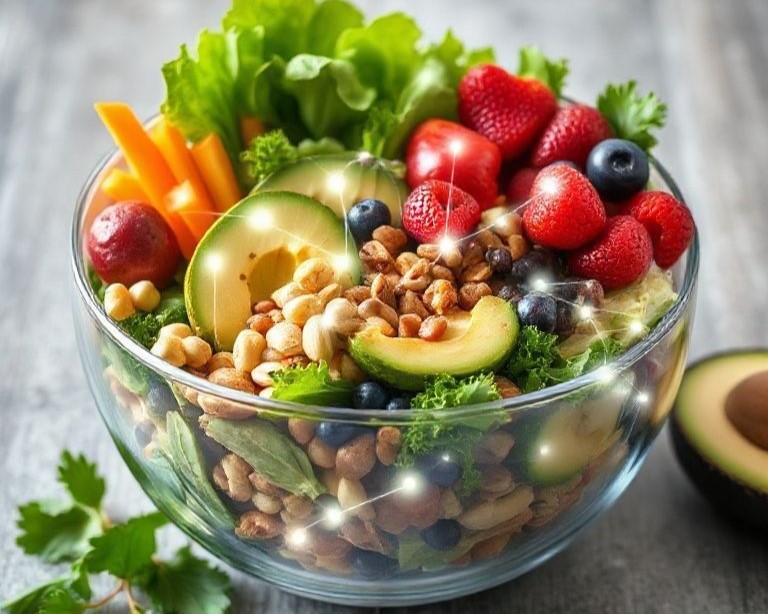
The old advice was “get 30g of fiber.” The new wisdom? “Get 30 different plants a week.” This includes fruits, vegetables, nuts, seeds, legumes, and whole grains. Each plant feeds different microbial species. Diversity is the hallmark of a robust microbiome. Start by adding a handful of mixed seeds to your breakfast or choosing a new vegetable each week.
Step 2: Embrace Fermented Foods (The Right Way)
Not all fermented foods are created equal. For probiotics, you want live, unpasteurized options.
- Great Choices: Plain kefir, live-culture yogurt, kimchi, raw sauerkraut, kombucha (watch sugar), and miso.
- Pro Tip: Don’t cook them! Heat kills the beneficial bacteria. Add sauerkraut to your plate after cooking.
Step 3: Manage Stress for Your Microbes
Chronic stress alters gut bacteria composition and increases permeability (“leaky gut”). Your 2026 gut protocol must include stress mitigation.
- Try: Daily 10-minute mindfulness sessions, deep belly breathing (which massages the vagus nerve), or regular walks in nature. Your microbes will thank you.
Step 4: Consider a Personalized Snapshot
If you’re curious or hitting roadblocks, explore an at-home test. It won’t give medical diagnoses but can offer fascinating insights into your unique gut landscape and what foods you might tolerate best. It turns abstract advice into a personal map.
Step 5: Move Your Body & Sleep Well
Moderate, regular exercise increases microbial diversity. Conversely, poor sleep disrupts your gut rhythm. Aim for 7-8 hours and find movement you enjoy—it’s not just for your muscles, but for your microbes too.
What to Avoid: The Gut Health Pitfalls of 2026
As the trend grows, so does misinformation.
- Extreme “Gut Cleanses”: Your gut doesn’t need a drastic cleanse. It needs consistent, nourishing care.
- Over-Reliance on Supplements: Pills are a supplement, not a foundation. No probiotic capsule can outweigh a poor diet.
- Antibiotic Overuse: Absolutely use them when prescribed for bacterial infections, but understand they’re like a forest fire in your gut. Always follow your doctor’s instructions and discuss probiotic support during and after a course.
The Future is Internal: A Final Thought
The gut health trend of 2026 signifies a profound shift: looking inward for answers. It’s a move from external, cosmetic wellness to fundamental, systemic health. By nurturing our inner ecosystem, we’re not just chasing a trend; we’re investing in long-term vitality, mental clarity, and resilience.
It starts not with a pill, but with your next meal. What will you feed your trillions of tiny allies today?
Curious about your own gut health journey? Try starting with one change today — perhaps a fiber-rich meal or a fermented-food snack. Track how you feel over a few weeks. If you like what you experience, keep building from there.
👉 Share your experiences in the comments: What change are you making first? What do you hope to feel or see change?
Also — if you’d like a beginner’s 30-day gut health plan (with meal ideas, habit trackers, and tips) I’m happy to put one together for you. Let me know!